

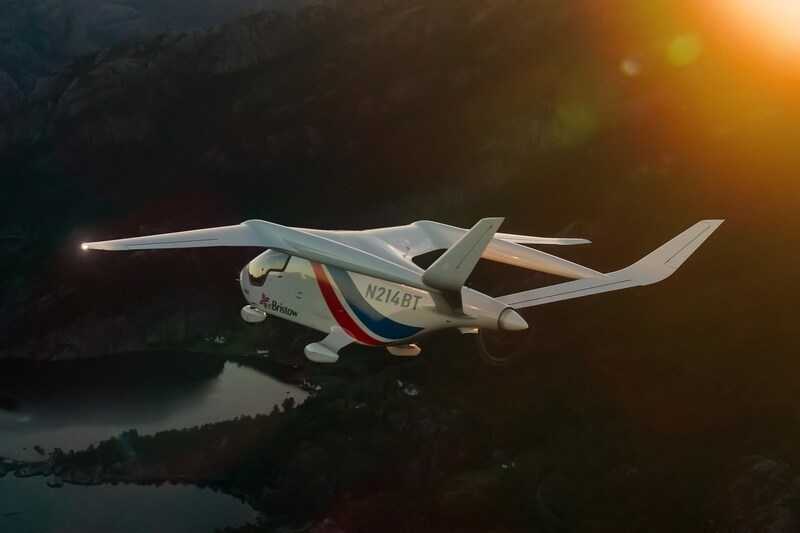
Norway has successfully completed its first national electric aviation test programme, marking a significant step toward low- and zero-emission air transport. Conducted as part of the country’s international test arena initiative, the six-month project demonstrated how electric aircraft can be safely integrated into a highly regulated aviation system.
The trial centred on the ALIA electric aircraft developed by BETA Technologies and operated by Bristow Group. The aircraft carried out regular test flights along a cargo route between Stavanger and Bergen in western Norway. After months of operational evaluation, the programme concluded with a final landing in Stavanger, delivering extensive real-world insights into aircraft performance, charging systems, winter operations, and regulatory processes.
The initiative was coordinated in collaboration with Avinor and the Norwegian Civil Aviation Authority. Together, the partners assessed how new propulsion technologies could be introduced gradually without compromising safety or efficiency. For Avinor, the project provided practical guidance on preparing airport infrastructure for electric aviation, including evaluating charging solutions, grid capacity, and operational procedures. The Civil Aviation Authority established an initial Regulatory Sandbox framework, enabling it to test how existing safety rules apply to electric aircraft and refine oversight methods.
Air traffic controllers reported that the electric aircraft was integrated into existing airspace with minimal additional workload, reinforcing that innovation and safety can progress together. The programme further identified strategic priorities for scaling electric aviation, including robust fast-charging infrastructure, winter-resilient ground systems, and specialised training for emergency response teams handling battery technologies.
As global interest in advanced air mobility accelerates, Norway’s completed test project positions the country as a leading real-world laboratory for sustainable flight. With validated operational data and strengthened regulatory frameworks now in place, partners are moving toward the next development phase where infrastructure, certification, and market readiness evolve in parallel to enable commercially viable electric air services.
